
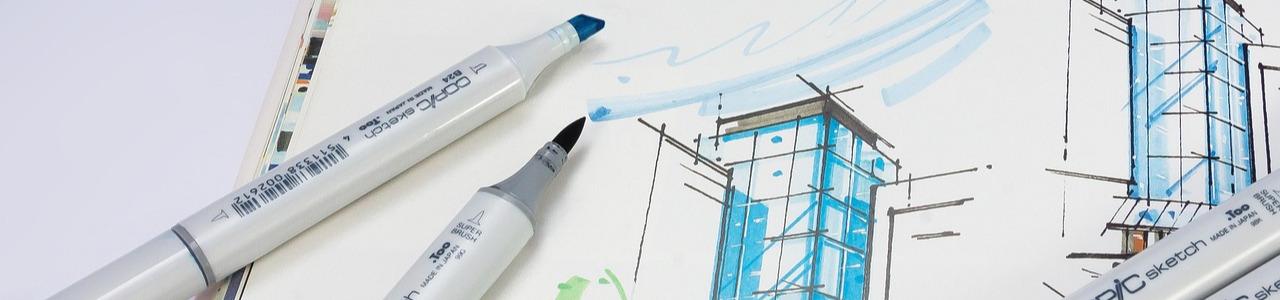
Sketching architectural details is an activity that benefits from calm, muted surroundings. When the atmosphere feels softened and visual distractions are reduced, the built environment appears more cohesive. Harsh shadows and bright highlights no longer dominate the scene, allowing structural elements to emerge with greater clarity. This creates favorable conditions for careful study and measured drawing.
Rather than attempting to capture an entire building, focusing on specific components often yields stronger results. Doorways framed by stonework, decorative cornices, wrought-iron balconies, archways, columns, or patterned brickwork offer contained compositions. These elements carry character and craftsmanship, making them ideal subjects for close observation.
Beginning with foundational shapes helps establish balance. Lightly mapping vertical and horizontal alignments ensures accuracy before committing to darker lines. From there, smaller details—moldings, carvings, panel divisions—can be added gradually. Working from general structure to refined detail prevents the sketch from becoming visually overwhelming.
Texture plays an important role. Stone, wood, metal, and glass each require different mark-making techniques. Controlled hatching can suggest shadow and depth without heavy contrast. Subtle variations in line weight help distinguish foreground features from those that recede. The subdued atmosphere naturally supports this layered effect, as distant elements appear softer and less defined.
Selecting a comfortable vantage point contributes to sustained focus. Sitting slightly off to one side rather than directly in front of a subject can create a more dynamic perspective. Urban parks, historic quarters, university campuses, and civic buildings often provide varied architectural styles within a small radius, allowing for multiple studies in a single session.
Sketching in this way is not only about representation but also about understanding construction. Observing how arches distribute weight, how columns align, or how decorative features integrate with structural elements deepens appreciation for design decisions. The process becomes analytical as well as creative.
Practical preparation enhances the experience. A compact sketchbook, pencils or fine liners, and a firm surface for support are usually sufficient. Taking brief pauses to step back and evaluate proportions can prevent small distortions from accumulating. Working steadily rather than quickly encourages accuracy and compositional balance.
Ultimately, sketching architectural details under calm conditions transforms ordinary surroundings into subjects of focused study. It encourages sustained attention, disciplined technique, and a renewed awareness of craftsmanship embedded in everyday spaces.