
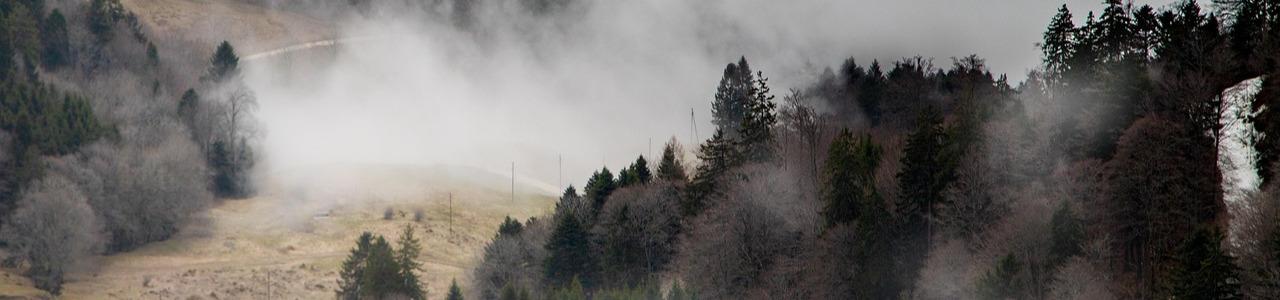
When the atmosphere feels softened and hushed, a walk through a quiet park or forest becomes particularly rewarding. The surroundings appear gentler, with distant trees fading subtly into the background and familiar paths taking on a more contemplative tone. This kind of setting naturally encourages slower movement and closer observation.
A calm walk allows you to focus on small details that might otherwise go unnoticed—the texture of bark, the shape of fallen leaves, or the faint sounds of birds moving through branches. With fewer visual distractions, attention shifts to rhythm: steady footsteps, measured breathing, and the subtle shift of light filtering through the canopy.
These conditions also create a sense of privacy, even in public green spaces. Trails often feel more secluded, making it easier to disconnect from routine pressures and engage fully with the present moment. It becomes less about covering distance and more about experiencing the environment at an unhurried pace.
For a more intentional experience, consider pausing at intervals to observe your surroundings. Notice how shapes blur in the distance while nearby elements remain sharp. This contrast can sharpen awareness and support mindfulness. Bringing a small notebook or camera can add purpose without disrupting the calm tone of the walk.
Overall, a quiet park or forest walk under subdued atmospheric conditions supports reflection, gentle physical activity, and a renewed appreciation for subtle natural details.